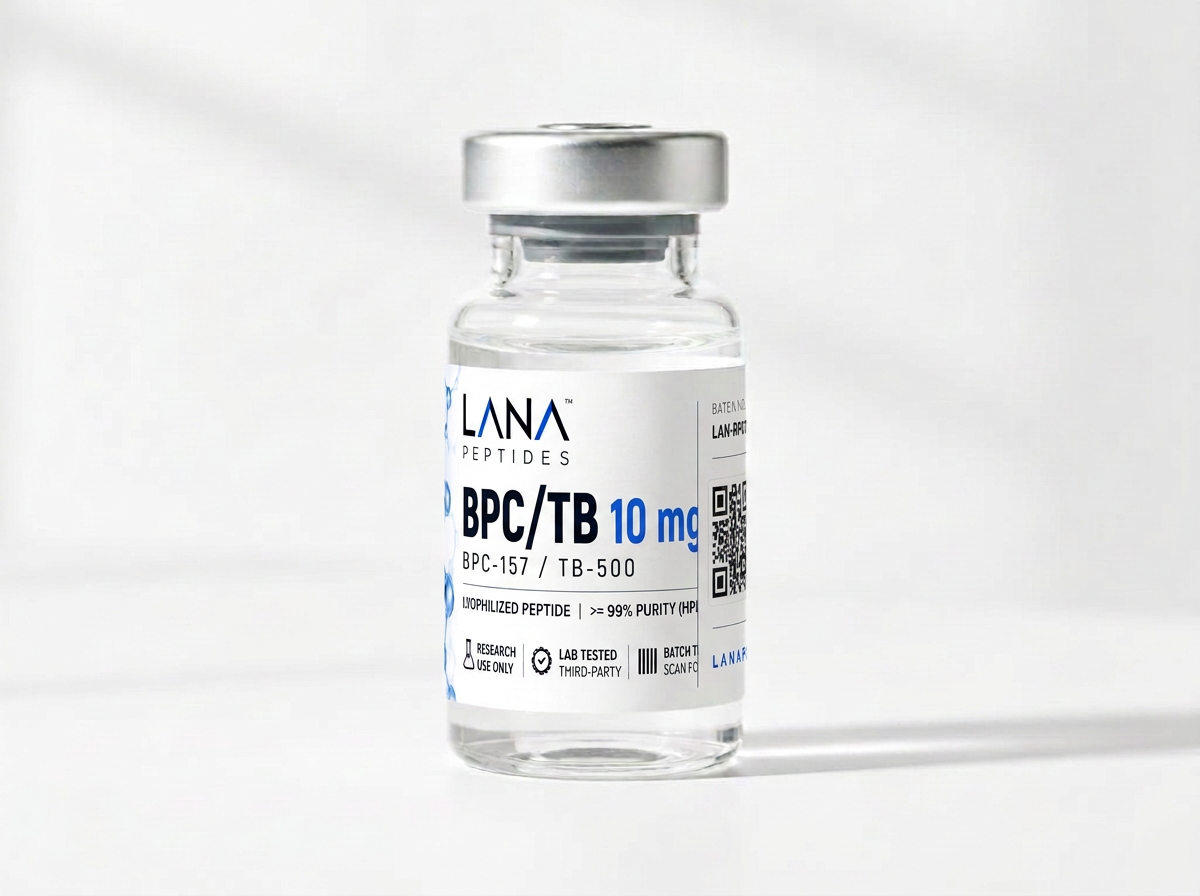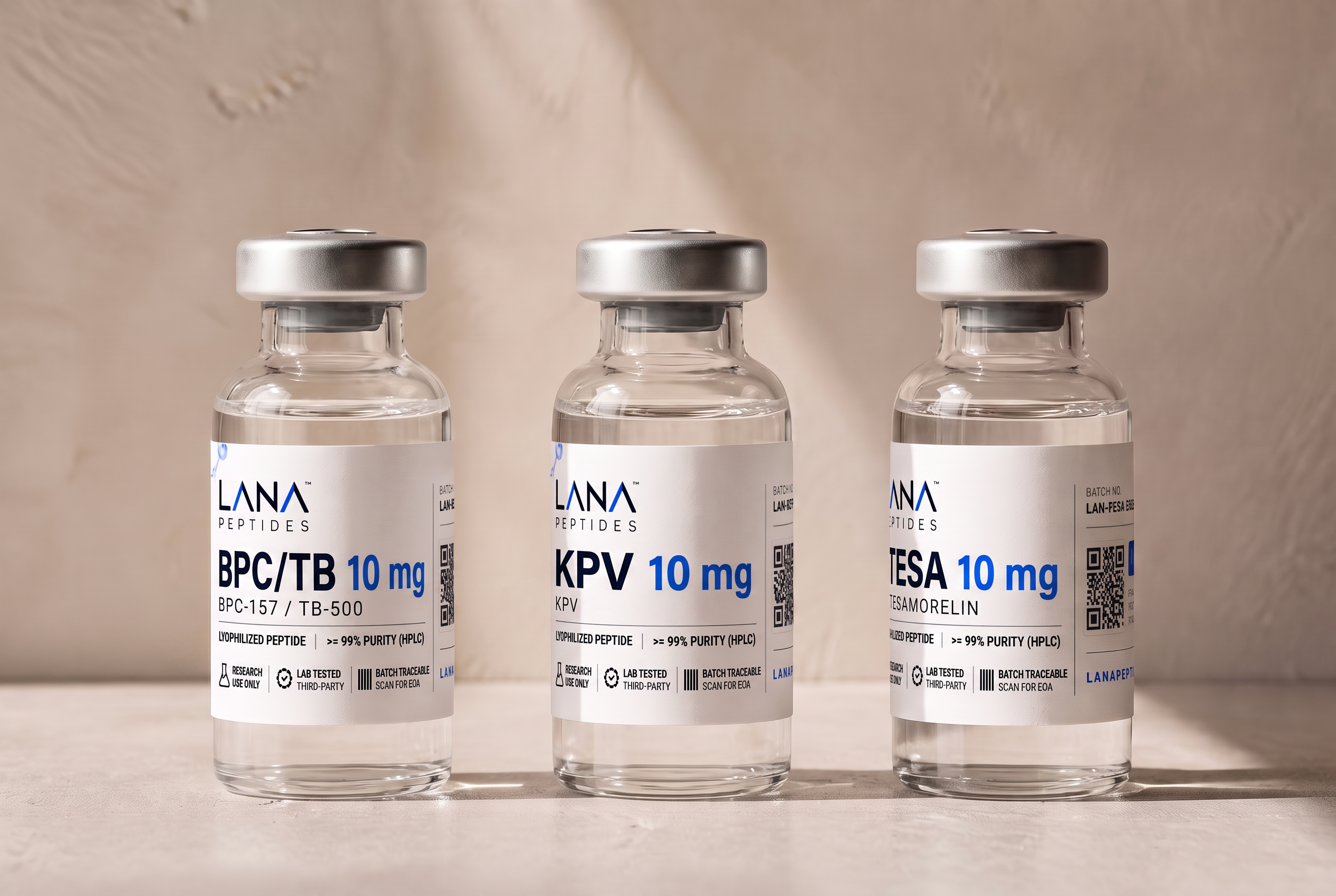
BPC-157 / TB-500
A blended reference material containing BPC-157 and TB-500 (thymosin beta-4 fragment), supplied for in-vitro laboratory research.
- Vial quantity
- 10 mg · 1 vial
- Batch
- LAN-BT-2608-01
- Documentation
- Pending publication
Lana is built around a simple principle: research materials should come with transparent, independently verifiable analytical data.
Third-party analytical testing.
Results connected to individual product batches.
Domestic order processing and fulfillment.
Testing documentation available online.

A blended reference material containing BPC-157 and TB-500 (thymosin beta-4 fragment), supplied for in-vitro laboratory research.

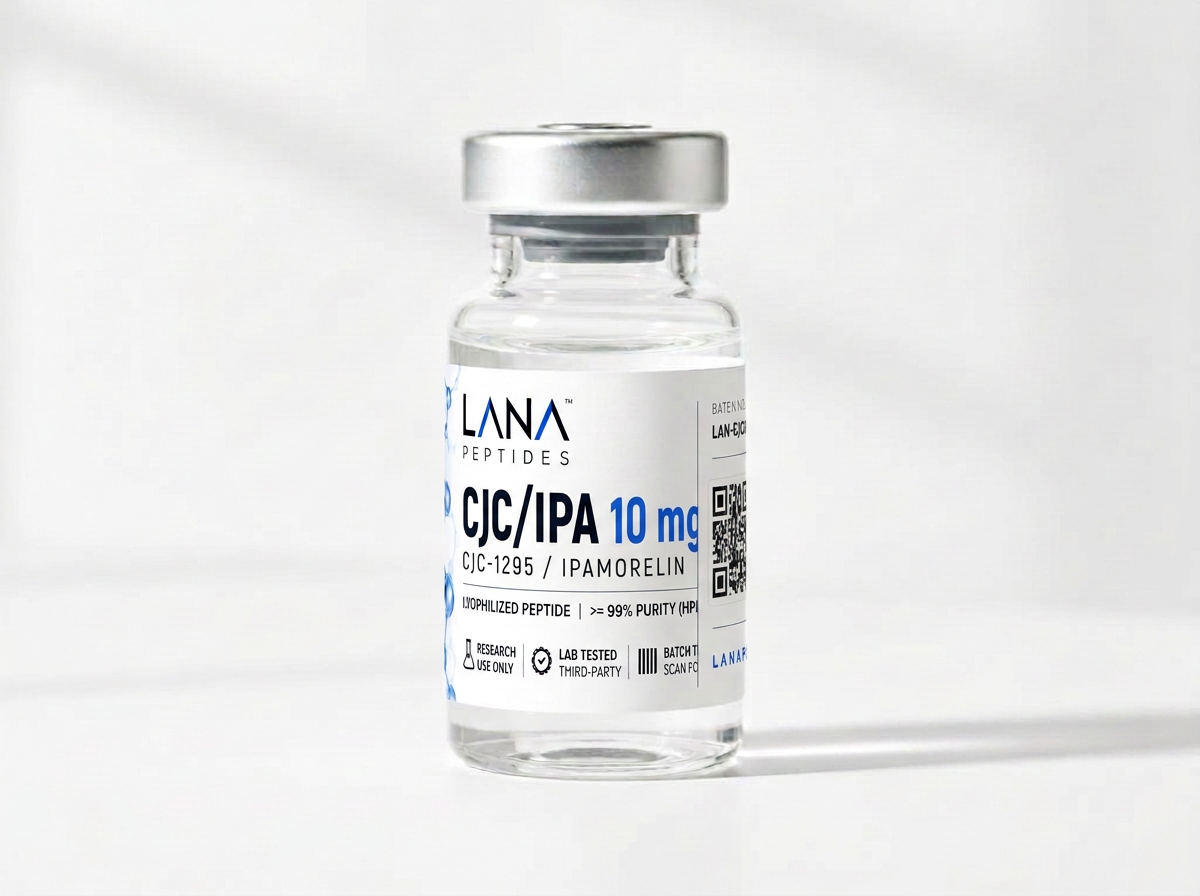
A blended reference material containing CJC-1295 (modified GRF 1-29) and Ipamorelin, supplied for in-vitro laboratory research.

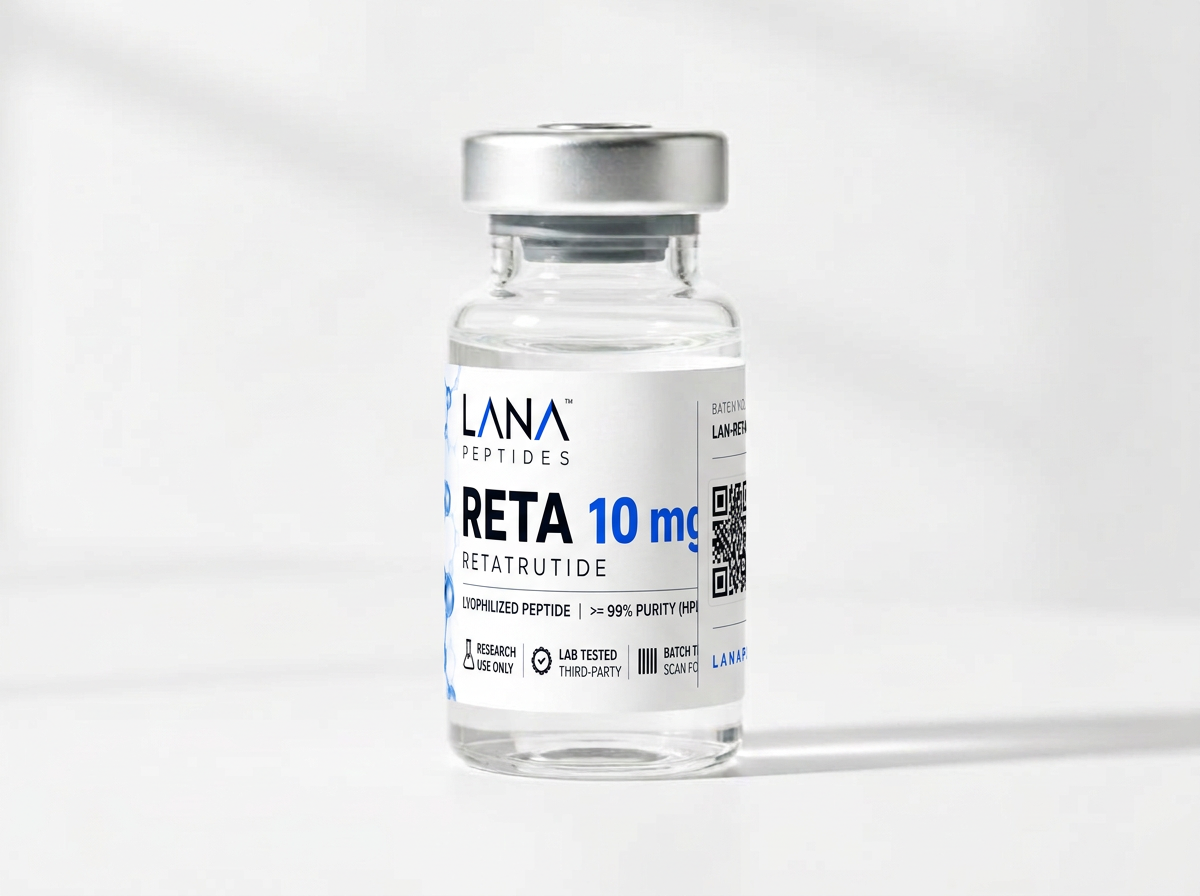
A synthetic peptide reference material studied in the published literature as a multi-receptor incretin agonist.

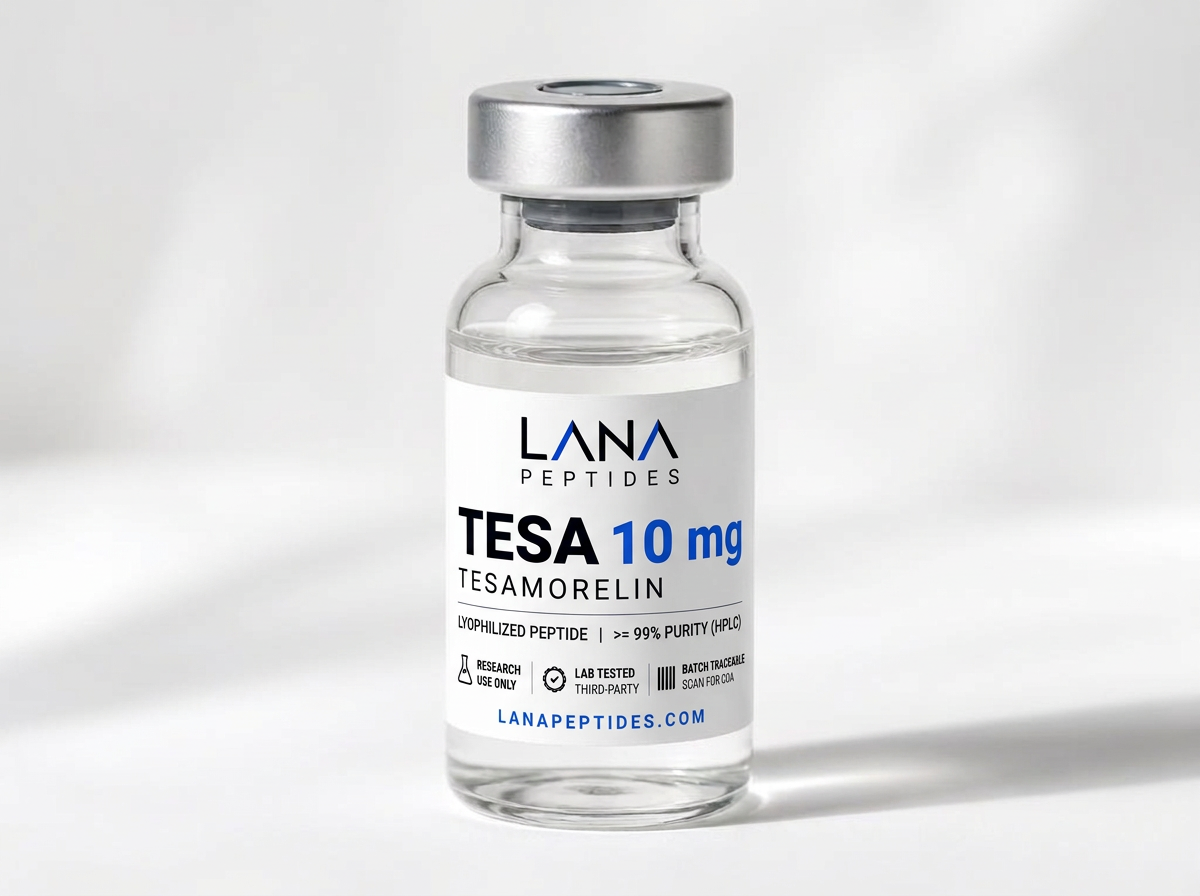
A synthetic analogue of growth hormone-releasing hormone (GHRH 1-44), supplied as laboratory reference material.

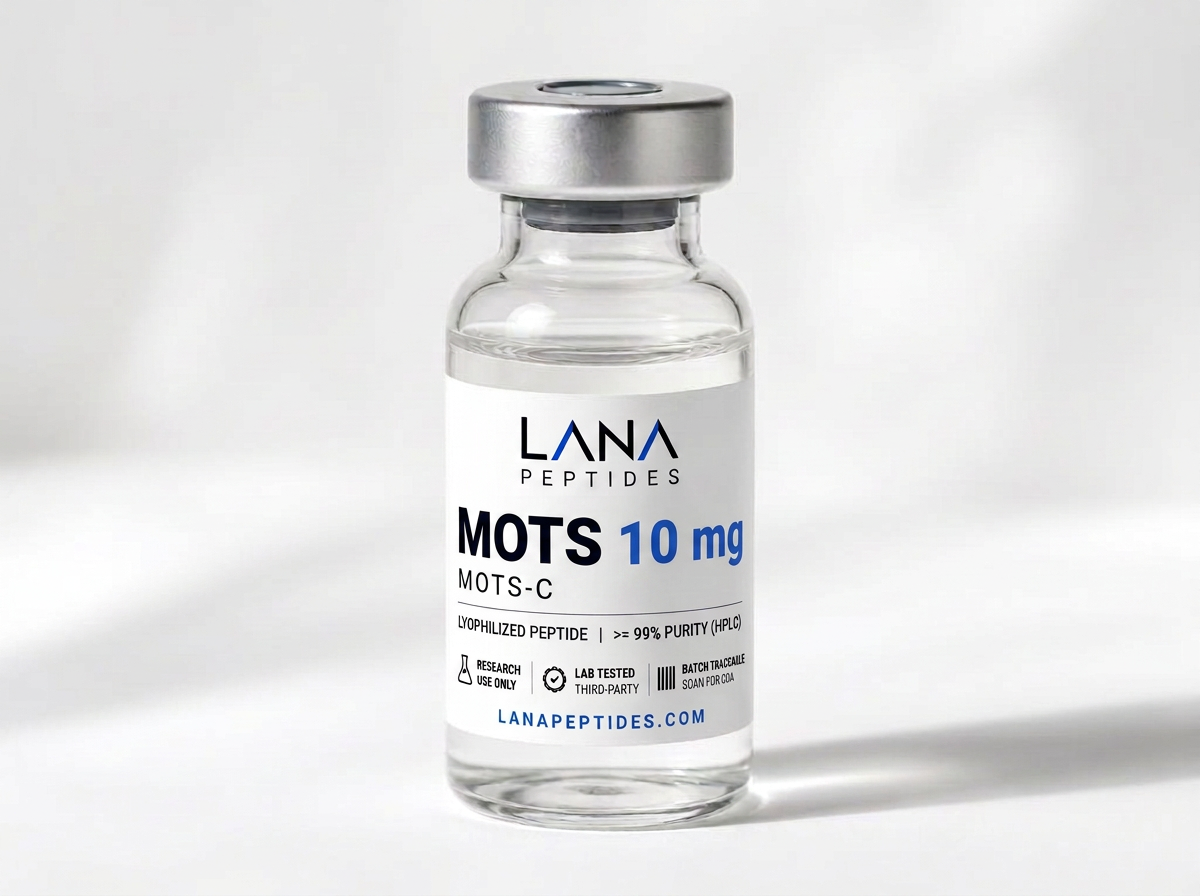
A 16-amino-acid mitochondrial-derived peptide studied in metabolic signalling research.

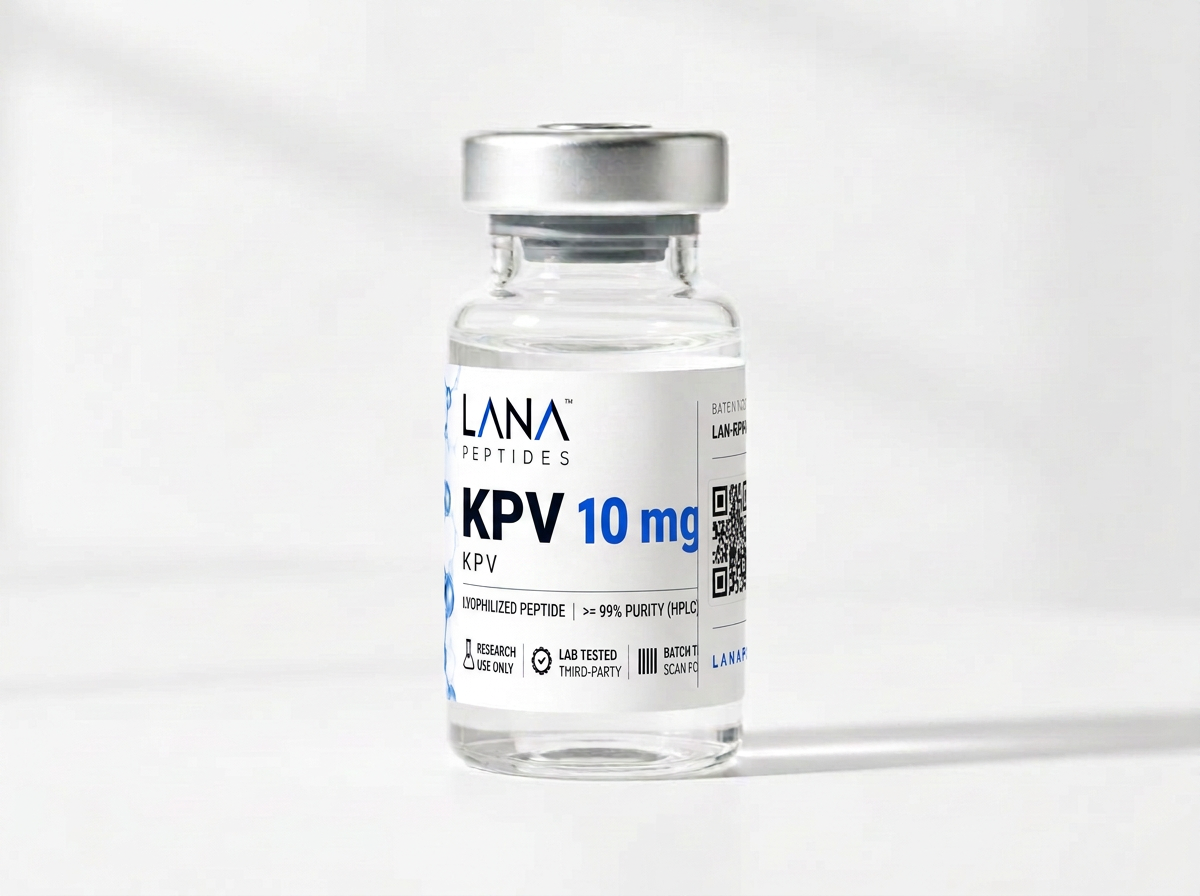
A tripeptide fragment (Lys-Pro-Val) of alpha-MSH studied in cellular inflammation-signalling research.
Every Lana batch can be connected to available analytical documentation, so researchers can independently review the information associated with the material rather than taking a percentage on a product page at face value.
Does the sample contain the compound represented on the label?
Mass spectrometry compares the observed molecular mass against the theoretical mass of the target peptide.
How much material is actually present?
Labelled quantity and measured net peptide content are different figures. Only analysis separates them.
What proportion of the analysed material corresponds with the target compound?
Reported as target peak area against total detected peak area under a stated method.
What else was examined on this batch?
Where performed: endotoxin, sterility, residual TFA, contaminant screening or other analytical parameters.
Enter the batch number printed on a Lana vial to locate the analytical documentation associated with that specific batch.
Browse all lab results →Figures shown on a live record are populated from the laboratory report for that batch. No value is published unless it appears on the report.
Material selected by supplier record
Batch number assigned on receipt
Sample drawn from the production lot
Analysis performed by a third party
Report published against the batch
Labelled, sealed and shipped in Canada
Research peptides are synthetically produced short chains of amino acids supplied as reference materials for laboratory research. They are intended for in-vitro and analytical work only and are not supplied for human or veterinary use.
Lana submits material to third-party analytical laboratories. Testing is performed by independent labs rather than by Lana, and the resulting documentation is published against the corresponding batch number.
Every vial carries a batch number such as LAN-BPC-2608-01. Enter that number in the batch verification field on the homepage or on the Lab Results page to locate the analytical documentation associated with that batch.
Peptide purity, most commonly reported by HPLC, describes the proportion of the detected peptide-related material that corresponds to the target peptide. It is a relative chromatographic measure, not a statement about sterility or overall vial contents.
No. Purity and sterility are unrelated analytical questions. A high HPLC purity result does not establish sterility, absence of bacterial endotoxin, or suitability for any use in humans.
High-performance liquid chromatography separates the components of a sample and measures their relative abundance. In peptide analysis it is typically used to estimate the relative purity of the peptide material present.
All materials supplied by Lana Peptides are intended for laboratory research use only. They are not intended for human or veterinary use, and are not intended to diagnose, treat, cure or prevent any disease. Analytical results describe the material tested and do not establish suitability for any use in humans or animals.